
Deck Builder in North Richland Hills, TX Built for Clay Soil, Heat & Hail
North Richland Hills is hard on decks. The clay soil swells after spring storms and cracks open in August. Summer afternoons hit 100°F and gray out unsealed pine in a season or two. Hail rolls through Tarrant County most springs. That's why so many 1980s-era backyard decks here now have rotted joists, loose rails and ledgers that were never flashed. North Richland Hills Deck Builders designs and builds composite, wood and covered decks for these conditions. We use deep footings, rated fasteners and sturdy framing, so your deck stays level and solid for years.
Since 2020, we've been building and repairing decks across Northeast Tarrant County, from ranch homes near Richland Oaks and Foster Village to newer lots around Home Town and the Davis Boulevard corridor. Our crews also work regularly in Richland Hills, Watauga, Haltom City, Hurst, Bedford and Colleyville. Every project starts with a site visit. You'll see material samples in person and get a clear written schedule, and we handle permits, easement checks and HOA submittals with you.
- ✓In business since 2020
- ✓Bonded
- ✓Insured
- ✓Financing available
- ✓Serving homes within a 20-mile radius of North Richland Hills
- ✓Site visit, material samples and a clear schedule on every project
Request Your Free Estimate
No obligation. Fast, honest quotes.
Thank you — your request was sent!
A member of the North Richland Hills Deck Builders team will reach out shortly. Need help now? Call (817) 479-0713.
Why North Richland Hills Homes Need a Deck Builder Who Knows the Area
A deck in North Richland Hills deals with heavy loads from the weather and the ground. Expansive clay, triple-digit heat, Hail Alley storms and decades-old framing all affect what lasts here. A builder who skips over these local factors will leave you with a deck that's out of level or rotting in about five years.
Climate and Soil: Heat, Hail and Shifting Clay
July and August highs here usually sit in the mid-to-upper 90s, and most summers bring stretches of 100°F-plus days. Dark composite and PVC boards can get hot enough to burn bare feet, so board color and capped, heat-reflective products matter a lot. The area gets about 35–38 inches of rain a year, and most of it falls in heavy April–June and September–October downpours. Those storms test ledger flashing, drainage and post bases. DFW sits in Hail Alley, where spring supercells can crack composite caps and shred pergola roofing. The biggest hidden problem is the Blackland Prairie–type clay underfoot. It swells when wet and shrinks during drought, which heaves shallow piers, opens gaps at the house and racks stair stringers. Footing depth isn't optional here. It decides whether your deck stays level.
Built Environment: Slab Homes and Aging 1980s Decks
Most of North Richland Hills was built between the 1960s and 1990s. The typical home is a brick-veneer ranch or two-story traditional on a slab, with a modest fenced yard and an aging concrete patio. Newer infill sits up north near Smithfield, Home Town and the Precinct Line Road area. Because the houses sit on slabs, decks here are usually low-profile or ground-level. That makes wood-to-ground clearance, ventilation and drainage critical, because moisture and subterranean termites thrive under tight framing. Many original pressure-treated pine and cedar decks from the 1980s–2000s now show cupping, popped nails, rotted joists and missing ledger flashing. They were also built before current guard, stair and ledger-attachment standards.
Permits, Easements and HOA Review
North Richland Hills and most nearby cities use the International Residential Code with NCTCOG regional amendments. A building permit is generally required for attached decks, decks more than 30 inches above grade, and roofed patio covers or pergolas. Inspectors check footing size and depth, ledger attachment and flashing, joist spans, 36-inch minimum guards with balusters under 4 inches apart, stair rise and run, and lateral load connections. Patio covers may need wind-load details or engineered plans. Many lots have utility or drainage easements along the rear fence, and these limit where a deck can go. HOAs in Southlake, Colleyville, Keller, Westlake, Roanoke and Saginaw often require architectural review first. Texas 811 must be called before any footing is dug.
How People Use Outdoor Space Here
About 70,000 people live in North Richland Hills, and many are long-time owners updating 1970s–1990s homes. These homeowners usually want shade, not just a bare platform. Covered decks, pergolas, fans and lighting let you use the yard from March through November. Budgets vary a lot across the Mid-Cities. Hurst, Haltom City and Watauga owners often focus on smart repairs or pressure-treated and entry-level composite builds. Pool-heavy Colleyville, Southlake and Keller lean toward premium composite, ipe and outdoor kitchens.
Common Deck Problems We See in North Richland Hills
Most deck failures we inspect in North Richland Hills trace back to a few local causes: shifting clay, trapped moisture, sun exposure and framing that's past its service life. Here's how each problem shows up, why it's so common here, and how serious it gets if you wait.
Footing Heave and Settlement from Expansive Clay Serious
Clay soil swells and shrinks, which pushes shallow piers up or lets them sink. The deck goes out of level, pulls away from the house, or twists its stairs. It's a structural problem, not a cosmetic one, and it gets worse every wet-dry cycle.
Why it's common hereNortheast Tarrant County sits on high-plasticity Blackland Prairie–type clays. A wet April followed by a dry August can move soil several inches near the surface. Many older decks here rest on shallow precast blocks or short posts set just below grade, right in the zone that moves the most. After droughts like 2011 and 2022, followed by soaking spring storms, we see a wave of decks with sloping surfaces and gaps opening at the ledger.
Signs you'll notice- Visible slope or a 'soft' corner when you walk the deck
- Gap opening between the deck and the house wall
- Stairs that rock, rack or pull away from the landing
- Posts lifted off their footings or leaning
- Doors to the deck that now rub or catch
- Cracked or tilted concrete pier blocks
This shows up most in 1970s–80s yards in Richland Oaks, Foster Village and North Hills, and in Haltom City and Hurst, where original builders used minimal footings. Newer homes near Smithfield aren't immune if the deck was added later without deep piers.
Our fix: We re-support the frame on deeper, properly sized footings below the active clay zone. Then we re-level the deck and rebuild or re-anchor the stairs and the ledger connection as needed.
Rotted Joists and Ledger Failure Emergency
A ledger is the board that bolts the deck to the house. When it rots or pulls loose, usually because it was never flashed, the whole deck can separate. This is the most common cause of serious deck collapses nationwide.
Why it's common hereDecks built here in the 1980s through early 2000s were often nailed to the rim joist with little or no flashing. Thirty-five-plus inches of rain a year, much of it in heavy downpours, drives water behind the ledger and into the joist ends. Hot, humid summers then speed up fungal decay. Low-profile decks on slab homes stay damp underneath, so rot spreads unseen until boards feel spongy or a joist gives way.
Signs you'll notice- Spongy or bouncy spots in the decking
- Dark staining or soft wood at the ledger board
- Rusted or missing ledger bolts, or only nails holding it
- Mushrooms or fungal growth on framing
- Water stains on interior walls near the deck
- Joist hangers that are rusted or pulling out
This is common on original pressure-treated pine decks across central North Richland Hills, Bedford and Euless, especially two-story homes with a raised deck off the back door. Low-clearance platform decks near the Iron Horse area also trap moisture.
Our fix: Stop using the deck. We shore it up, then replace rotted framing and the ledger with properly lagged or through-bolted connections. We add correct flashing and lateral load hardware that meets code.
Loose, Low or Non-Compliant Railings Serious
Guards that wobble, sit under 36 inches high, or have balusters spaced 4 inches or more apart are a fall hazard. That matters most for kids and anyone on a raised deck or stairs.
Why it's common hereMany older Mid-Cities decks were built before current guard and baluster standards. Rail posts were often notched and nailed instead of through-bolted. Seasonal wood movement from summer heat and winter cold loosens fasteners over the years. Straight-line winds and people leaning on rails add stress. Homes on resale also get flagged by inspectors for outdated railings.
Signs you'll notice- Rail posts that move when pushed
- Balusters missing, cracked or spaced wide
- Rail height noticeably below hip level
- Popped or rusted nails at post connections
- Handrails on stairs that aren't graspable or are missing
- Split rail caps
We see this often when homes in Richland Hills, Watauga and Hurst go on the market, and on raised decks off two-story homes in North Richland Hills built in the 1980s and 1990s.
Our fix: We rebuild guards with properly blocked, bolted posts. Then we install new code-height wood, composite, aluminum or cable railing systems with compliant baluster spacing and graspable stair handrails.
Termite and Pest Damage in Low-Profile Framing Serious
Subterranean termites and wood-boring pests hollow out joists, beams and posts, especially where wood touches or sits close to soil. You often can't see the damage from the deck surface.
Why it's common hereSubterranean termites are widespread across North Texas, and warm, humid summers keep them active much of the year. Slab-on-grade lots lead to ground-level decks with little clearance. Leaves, moisture and soil build up underneath, which is ideal termite habitat. Older decks built with untreated or under-rated lumber in ground contact are especially at risk.
Signs you'll notice- Mud tubes on posts, footings or the foundation
- Wood that sounds hollow when tapped
- Blistered or crumbling framing
- Discarded wings near the deck in spring
- Sagging boards with no visible surface rot
This is common on ground-level decks and old platform additions in Haltom City, Forest Hill and older North Richland Hills streets near Diamond Oaks, where decks were built tight to grade over the original patio.
Our fix: After you've had pest treatment, we replace damaged members with ground-contact-rated lumber or switch to composite decking. We also improve clearance and ventilation to discourage reinfestation.
Hail and Storm Damage Moderate
Large hail can dent or crack composite caps, chip finishes, and puncture pergola or patio cover roofing. High winds loosen privacy screens, covers and rail sections.
Why it's common hereDFW is in the heart of Hail Alley, and spring supercells regularly drop large hail across Tarrant County. Straight-line winds and tornado-warned storms stress tall structures like pergolas and privacy walls. Covers built without engineered connections or proper footings are the first to fail. Many of these claims go through homeowners insurance.
Signs you'll notice- Dents, pits or cracks in composite boards or rail caps
- Stripped or spotted stain finish after a storm
- Damaged or missing pergola slats or cover panels
- Leaning privacy screens or loosened posts
- Granule loss or punctures on covered patio roofing
We see this after spring storms in every service area. Hail damage is especially costly on premium composite and covered outdoor living spaces in Keller, Colleyville and Southlake, where damaged materials must also meet HOA color and style approvals.
Our fix: We document the damage with photos and measurements for your insurance claim. Then we replace affected boards, caps or cover materials and reinforce connections against the next storm.
Sun-Faded, Gray and Cupped Boards Minor
UV and heat break down wood fibers and finishes. The result is graying, splintering, checking and boards that cup or warp. Unsealed pine and cedar show it fastest.
Why it's common hereNorth Richland Hills gets intense UV across a long outdoor season, plus repeated 100°F days. Unsealed or poorly maintained wood dries out, checks and grays within one or two summers. Then heavy storms soak it again, and that cycle makes boards cup. Some early-generation uncapped composites also fade and stain here.
Signs you'll notice- Gray, weathered surface color
- Splinters and raised grain
- Cupped or warped boards
- Surface cracks (checking) along the grain
- Finish that peels or no longer beads water
This is typical on south- and west-facing backyard decks across North Richland Hills, Watauga and Bedford. These decks get afternoon sun with no shade structure or mature trees.
Our fix: If the framing is sound, we clean, sand, and stain or seal the deck. Badly cupped boards are resurfaced with new wood or capped composite on the existing frame.
Scorching-Hot Deck Surfaces Minor
Dark composite and PVC boards in full sun can get hot enough to burn bare feet. Some new decks end up unusable on summer afternoons, which is exactly when families want them.
Why it's common hereMid-to-upper 90s highs and constant sun make board color and heat retention a real concern here. Dark gray and espresso tones look great in a showroom but absorb a lot of heat. Pool decks are where it hurts most, because people walk barefoot.
Signs you'll notice- Kids and pets avoiding the deck in summer
- Boards too hot to touch by midday
- Rugs or mats needed just to cross the deck
- Pool areas used only in the evening
This is most common on pool-adjacent decks in Colleyville, Southlake and Keller, and on new composite decks in sun-exposed yards in Saginaw and the north Fort Worth Alliance area.
Our fix: We recommend lighter, heat-reflective capped boards and add shade with pergolas or covers. On pool decks, we choose slip-resistant products designed for barefoot use.
Deck Building and Repair Services for North Richland Hills
From a first deck behind a new Saginaw home to replacing a failing 1985 pine deck in Foster Village, we choose materials and framing to fit your yard, budget and the North Texas climate. Here's what we build and how we adapt each service to local conditions.
Custom Deck Design & Installation ⭐ Specialty
We design decks around how you'll actually use the yard: grilling, dining, kids or a pool. We plan layout, levels, stairs and shade together, so the deck works as one outdoor room.
Our approachThe process starts with a site visit and measurements. We check easements and setbacks, then show you material samples. Framing is designed to IRC span tables, with footings sized for clay soil and hardware rated for exterior and ground-contact use.
In North Richland Hills, TXIn North Richland Hills, that often means a low-profile deck replacing a cracked slab patio. We plan for ventilation, drainage and termite-resistant clearance, and keep the design clear of the rear-fence utility easement found on many local lots.
Best for: Homeowners replacing an old deck or patio, or adding a first deck to a bare yard, who want one builder to handle design, permits and construction.
Composite, PVC & Ground Level Deck Installation ⭐ Specialty
We install capped composite and PVC decking on new or rebuilt frames. That includes ground-level and floating decks that sit just above grade. These decks need little upkeep: no annual staining, splinters or rot in the boards.
Our approachWe use hidden fastener systems and joist tape, and follow manufacturer gapping for heat expansion. We also provide enough ventilation that the boards' warranty conditions are met. Lighter, heat-reflective colors are recommended for sun-exposed yards.
In North Richland Hills, TXCapped boards resist the fading, checking and moisture that wreck pine here. For slab homes, floating and ground-level designs fit low door thresholds while keeping enough clearance underneath to limit moisture and pests.
Best for: Busy families and long-time owners who are tired of re-staining, and anyone who wants a deck that holds its look through Texas sun.
Wood Deck Construction: Pressure Treated, Cedar, Redwood & IPE
We build wood decks in ground-contact pressure-treated pine, cedar, redwood and dense ipe hardwood. Wood gives you natural warmth and covers a wide range of budgets, from cost-effective to premium.
Our approachWe use properly rated treated lumber for framing, stainless or coated fasteners matched to the species, and end-cut sealing. Ipe gets pre-drilled hidden or face fastening. We then apply a UV-resistant finish to slow graying.
In North Richland Hills, TXPressure-treated pine is a smart value choice in Hurst, Haltom City and Watauga. Ipe's density and heat tolerance make it popular around Southlake and Westlake pools. Cedar and redwood suit shaded yards with mature trees.
Best for: Homeowners who prefer real wood, need the most budget-friendly build, or want a high-end hardwood surface with decades of service life.
Deck Repair, Restoration & Framing/Structural Repair
We fix what's underneath: rotted joists, failed ledgers, heaved footings and racked stairs. We also replace damaged boards, so a structurally sound deck doesn't have to be torn out.
Our approachWe start with a full structural inspection. Then we re-footing on deeper piers, sister or replace joists, re-attach and flash the ledger, and add lateral load connectors. Termite- or hail-damaged sections are rebuilt to current code.
In North Richland Hills, TXThis is ideal for the many 1980s–2000s decks across North Richland Hills, Bedford and Euless with good bones but worn connections. It's also the fix for decks moved out of level by drought-then-deluge cycles in the clay.
Best for: Owners of older decks, homes going on the market, and anyone noticing bounce, slope or gaps at the house.
Deck Cleaning, Staining, Sealing, Painting & Waterproofing
We clean, brighten, sand and refinish wood decks. We also apply penetrating stains, sealers, paint or waterproof coatings that protect against UV, rain and mildew.
Our approachOur crews use low-pressure washing and wood brighteners, then sand away gray fibers and raised grain. Next we apply quality semi-transparent or solid finishes. Waterproofing membranes go on balcony and over-living-space decks.
In North Richland Hills, TXIn North Texas, UV breaks down finishes fast. Most sun-exposed decks here need resealing every one to three years. We time the work for dry spells between spring and fall storms so the finish cures properly.
Best for: Wood decks that are structurally sound but gray, splintering or no longer shedding water.
Deck Resurfacing & Refinishing
We remove worn decking and install new wood or composite boards over the existing frame, after confirming the frame is sound. You get a new-looking deck for less than a full rebuild.
Our approachWe inspect and probe every joist. Weak members get replaced or sistered, joist tops get protective tape, and new boards and fascia go on with proper spacing.
In North Richland Hills, TXThis is a popular value option in Richland Hills, Watauga and Forest Hill. Many decks there have sun-cupped surface boards, but the treated framing still has years of life left.
Best for: Budget-conscious owners whose decks have tired surfaces but solid framing.
Deck Railing Systems: Cable, Aluminum, Composite & Stair Railings
We install code-compliant guards and handrails in cable, powder-coated aluminum, composite and wood. That includes outdoor stair railings with graspable handrails.
Our approachPosts are blocked and through-bolted to resist outward load. Guards are at least 36 inches high with balusters under 4 inches apart. Cable systems are tensioned to spec.
In North Richland Hills, TXCable and aluminum keep pool and greenbelt views open in Keller and Colleyville. Composite rail kits match HOA-approved decking colors, and aluminum holds up well in our heat and storms.
Best for: Upgrading wobbly or outdated rails, opening up views, or meeting resale inspection requirements.
Deck Stairs & Landing Construction
We build safe, comfortable stairs and landings with consistent rise and run, solid stringers and handrails. These link decks to yards, pools and patios.
Our approachOur stairs have properly cut and supported stringers, landings on their own footings, slip-resistant treads and code-compliant handrails.
In North Richland Hills, TXStairs here rack when the clay moves, so we set landing pads and stringer bases on stable footings instead of bare soil or old cracked patios.
Best for: Raised decks, multi-level layouts, and replacing stairs that rock, slope or have uneven steps.
Pool, Hot Tub & Above Ground Pool Decks
We build decks around in-ground pools, above-ground pools and hot tubs. Our framing is designed to carry the heavy concentrated loads of a filled spa.
Our approachFor hot tubs, we use engineered framing and extra footings sized for the load. We choose slip-resistant, heat-reflective decking and follow pool barrier and gate requirements.
In North Richland Hills, TXPools are common in Colleyville, Southlake and Keller. Cool-touch, light-colored capped composite or ipe makes barefoot summer use practical, and we coordinate with HOA review.
Best for: Families with pools or spas who want comfortable, safe surfaces and code-compliant barriers.
Multi-Level, Rooftop, Cantilever & Balcony Decks
We design and build multi-level decks for sloped or larger lots. We also build cantilevered sections, rooftop decks, and balcony renovations on homes with upper-story outdoor space.
Our approachThese projects use engineered beam and cantilever spans, waterproofing over living space, careful flashing at the house, and lateral and uplift connections for wind exposure.
In North Richland Hills, TXMulti-level designs suit larger custom lots in Westlake, Southlake and Colleyville. Balcony renovations often fix aging, unflashed second-story decks on 1990s homes across the Mid-Cities.
Best for: Larger homes, sloped yards, and upper-level outdoor spaces that need waterproofing or structural renewal.
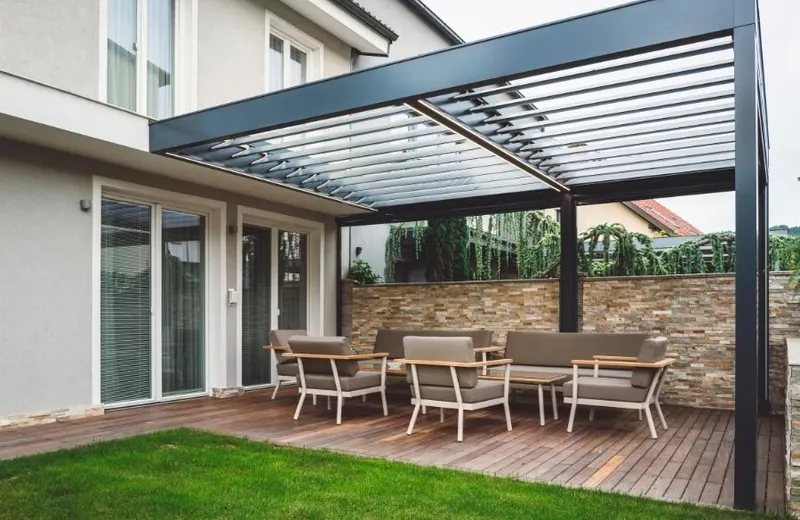
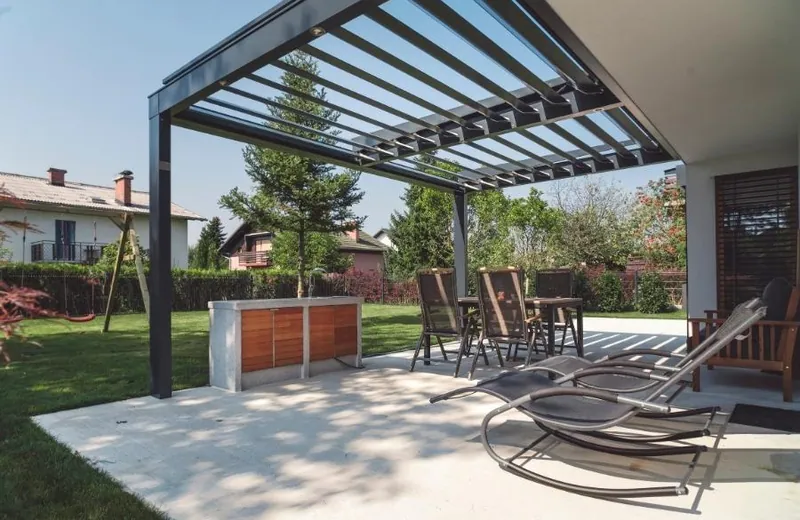
Pergolas, Deck Covers, Covered Patios & Enclosures ⭐ Specialty
We add shade and weather protection with pergolas, solid-roof deck covers, covered patios and screened enclosures. This turns a sun-baked deck into usable outdoor living for most of the year.
Our approachPosts sit on properly sized footings, and connections are designed for wind uplift. We provide engineered or wind-load details when the city requires them, plus roofing that can stand up to hail. Fans and lighting are coordinated with licensed electricians.
In North Richland Hills, TXShade is the top request in North Richland Hills. A cover cuts surface temperatures, protects the decking from UV and hail, and works with HOA rules in Keller, Southlake and Roanoke.
Best for: Anyone who wants to actually use the deck on July afternoons, and owners planning fans, lighting or an outdoor kitchen.
Deck Privacy Solutions, Skirting & Composite Fencing
We build privacy screens, deck skirting and composite fences. These hide deck undersides, block neighbors' views and finish the look of your outdoor space.
Our approachSkirting is vented to keep air moving under low decks. Privacy walls get reinforced posts and footings for wind loads, and composite fencing is matched to the decking.
In North Richland Hills, TXTight lots and two-story neighbors around Home Town and Thornbridge make privacy a priority. Vented skirting keeps ground-level decks from trapping moisture and pests.
Best for: Close-set homes, low decks with unsightly undersides, and owners replacing worn wood privacy fences.
Our Deck Building Process
Every project follows the same clear path, from the first site visit to the final walkthrough. You'll know what's happening, when it's happening and why, including the permit and HOA steps that differ across our service area.
Site Visit & Consultation
- Walk the yard and talk through how you want to use the space
- Measure, check grade and look at soil and drainage
- Inspect any existing deck framing, ledger and footings
- Locate easements, setbacks and HOA constraints
Local note: We check for rear-fence utility and drainage easements, which are common on North Richland Hills lots and can limit where a deck goes.
Design, Material Samples & Written Proposal
- Lay out the deck plan, levels, stairs, rails and shade options
- Show physical samples, including heat-reflective composite colors
- Deliver an itemized written proposal and a clear schedule
- Review financing options if you want them
Local note: In full-sun yards, we compare board surface temperatures and colors so your deck stays comfortable in July.
Permits, HOA Approval & Utility Locates
- Prepare and submit building permit drawings
- Provide wind-load or engineered details for covers when required
- Submit materials and colors for HOA architectural review
- Call Texas 811 to locate utilities before digging
Local note: Requirements vary between North Richland Hills, Southlake, Keller, Fort Worth and other cities. Westlake and parts of Southlake have stricter design standards.
Construction
- Dig and pour footings sized for expansive clay
- Install the flashed ledger, beams and joists with rated hardware
- Pass required footing and framing inspections
- Install decking, railings, stairs and any cover or skirting
Local note: In summer, we start early in the day to beat the heat. Spring storms can shift dates, and we'll tell you right away if that happens.
Final Inspection & Walkthrough
- Complete the city's final inspection
- Walk the finished deck with you and address any punch-list items
- Clean up the site and haul away debris and old materials
- Review care and maintenance for your specific materials
Local note: We'll explain the resealing schedule for wood and the cleaning routine for composite in our sun and pollen seasons.
Why North Richland Hills Homeowners Choose Us
We Build for Local Clay, Not a Textbook Lot
Expansive clay is the main reason decks around here end up out of level. We don't set posts on surface blocks and hope for the best. Footings are sized and set deep enough to resist the swell-and-shrink cycle that follows our wet springs and dry summers. Stair landings get their own stable support, and ledger connections are flashed and bolted. That's the difference between a deck that's still level after a drought and one that's pulling away from your house by year five.
Bonded and Insured on Every Job
North Richland Hills Deck Builders is bonded and insured. That protects you and your property while our crew works in your backyard. In a crowded DFW market, where storm chasers show up after every hailstorm, it matters to know who you're hiring. Ask any contractor for proof of coverage before work starts. We'll gladly provide ours.
Permits Pulled, Inspections Passed
We don't skip permits. From North Richland Hills to Southlake, Fort Worth and Grapevine, each city has its own rules for attached decks, raised decks and roofed covers. We prepare the drawings, provide wind-load details when required, schedule inspections, and handle HOA architectural submittals with you. A permitted, inspected deck protects your family and avoids trouble when you sell.
Deck Specialists, Start to Finish
Decks, railings, stairs, pergolas and covers are what we do every day. We aren't a general handyman fitting decks in between other jobs. We know how composite expands in 100°F heat, which fasteners suit ipe versus treated pine, and how to flash a ledger on a brick-veneer slab home. That focus shows in the framing you'll never see as much as in the boards you will.
Honest Material Advice for Texas Heat
We'll tell you straight when a dark board will be too hot for your west-facing yard, or when pressure-treated pine is the smarter value. At the site visit, you'll see and handle real samples. We'll compare upkeep, heat, hail resistance and lifetime cost across wood, composite and PVC, so you choose based on facts, not a showroom display.
Clear Proposals, Clear Schedules
Every project comes with an itemized written proposal and a clear schedule. You'll know what's included, what materials you're getting and when work will happen. Weather happens in North Texas, especially in spring. If a storm or extreme heat moves the schedule, we tell you right away. Financing is available for homeowners who'd rather spread the cost out.
Close By, Across Northeast Tarrant County
We're based in North Richland Hills and work within a 20-mile radius, from Watauga and Haltom City to Colleyville, Keller, Southlake and Arlington. Being local means faster site visits, crews who know each city's building department, and a builder who's still nearby if you need help after the job is done.
A Local Deck Builder You Can Check Out
Most homeowners in the Mid-Cities find a deck builder through reviews and neighbor referrals. We earn ours with honest material advice, properly permitted work and schedules we stick to. Ask your neighbors, then call us for a site visit.
Bonded • Insured • Financing available
Deck Builder Service Areas Around North Richland Hills
We build and repair decks throughout Northeast Tarrant County and the Mid-Cities, within about 20 miles of North Richland Hills. Each community has its own housing stock, permit office and HOA rules, and we plan every project with those in mind.
North Richland Hills & Neighboring Mid-Cities
Keller, Southlake & the Northeast Corridor
Fort Worth, Arlington & Surrounding Communities
We serve homes within a 20-mile radius of North Richland Hills. If you're near the edge of that range, call and we'll confirm whether we can get to you. Not sure if we cover your area? Call (817) 479-0713.
How Much Does a Deck Cost in North Richland Hills?
Deck prices in the DFW area depend on size, material, height, footings and extras like covers and railings. The ranges below are typical for Northeast Tarrant County. Your written proposal will be specific to your yard after the site visit.
Decking Material Primary Factor
Material choice moves the price more than anything else. Pressure-treated pine decks often run roughly $30–$50 per square foot installed. Cedar and redwood cost more. Capped composite and PVC typically land around $50–$85 per square foot, and ipe hardwood can top $80–$120. Composite and PVC cost more upfront but skip the yearly staining wood needs in our UV. Over 15–20 years, the total cost of ownership often comes out closer than the sticker price suggests.
Size, Height and Layout Primary Factor
More square footage means more material and labor. Height matters too. A ground-level platform on a slab lot costs less per square foot than a raised deck off a second story, which needs taller posts, bracing, guards and longer stairs. Multi-level designs, angles, curves, picture-frame borders and cantilevers all add framing time. A simple rectangle is the most economical shape.
Footings and Site Conditions Secondary Factor
Our expansive clay calls for deeper, properly sized footings. That costs more than surface blocks, but it's what keeps a deck level. Demolition and haul-off of an old deck or cracked concrete patio, sloped yards, limited access through side gates, and working around rear easements all affect labor. Hot tub decks need extra footings and framing for the concentrated load.
Railings, Stairs and Covers Secondary Factor
Railings are priced per linear foot. Wood is the least expensive, while composite, aluminum and cable systems cost progressively more. Stairs and landings add cost by height and width. Pergolas commonly add several thousand dollars, and solid-roof covers with engineered wind-load details, fans and lighting can add $10,000 to $30,000 or more, depending on size and finish.
Permits, HOA and Engineering Additional Factor
Permit fees vary by city, and some covered structures need engineered plans. HOA review in Southlake, Keller, Colleyville and Westlake doesn't usually add much cost, but it can add weeks and may limit material or color choices. Electrical work for lighting, fans or outdoor kitchens needs a licensed electrician and a separate permit.
| Typical project | Details | Estimated range |
|---|---|---|
| Repair, restore and reseal an older wood deck | About 300 sq ft deck in Hurst or Watauga: replace damaged boards, tighten and reinforce railings, re-flash the ledger, clean and stain | $2,000 – $6,500 |
| Replace a failing 1980s pine deck with new pressure-treated wood | About 16×20 ft (320 sq ft) ground-level deck in North Richland Hills or Richland Hills, with demo, new footings, wood railing and one set of steps | $10,000 – $17,000 |
| New raised composite deck with railing and stairs | About 400 sq ft capped composite deck off a two-story home in North Richland Hills or Bedford, with aluminum or composite railing and a stair landing | $22,000 – $36,000 |
| Premium pool deck with pergola or cover | About 600 sq ft multi-level composite or ipe pool deck in Colleyville or Southlake, with cable railing, a shade structure and HOA approval | $50,000 – $95,000 |
Financing is available, so you can build the deck you actually want now and spread out the payments. Ask about options during your site visit. A well-built deck with shade adds usable living space for much of the year in North Texas, and buyers notice it at resale. Building it right the first time, with deep footings and flashed ledgers, avoids paying twice.
Recent deck Projects in North Richland Hills, TX
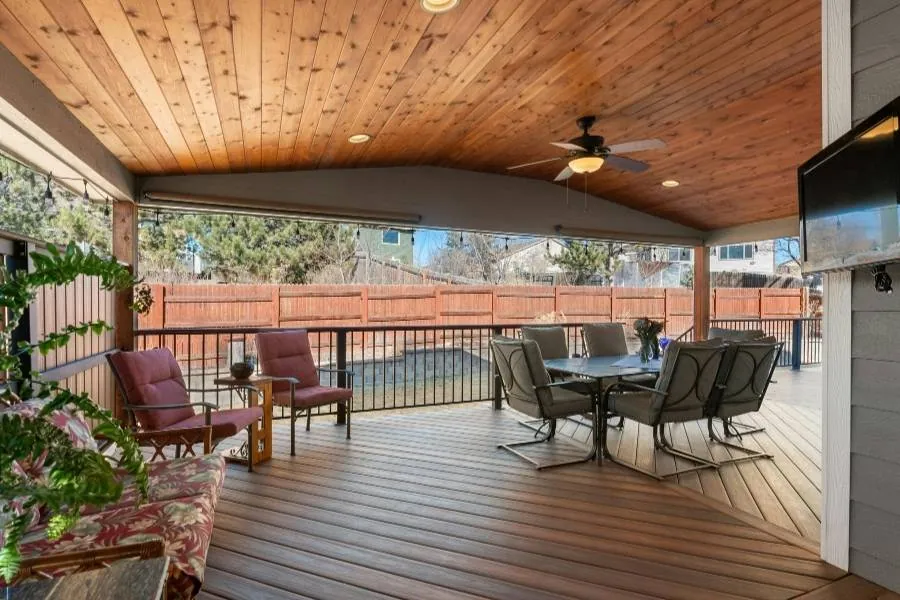
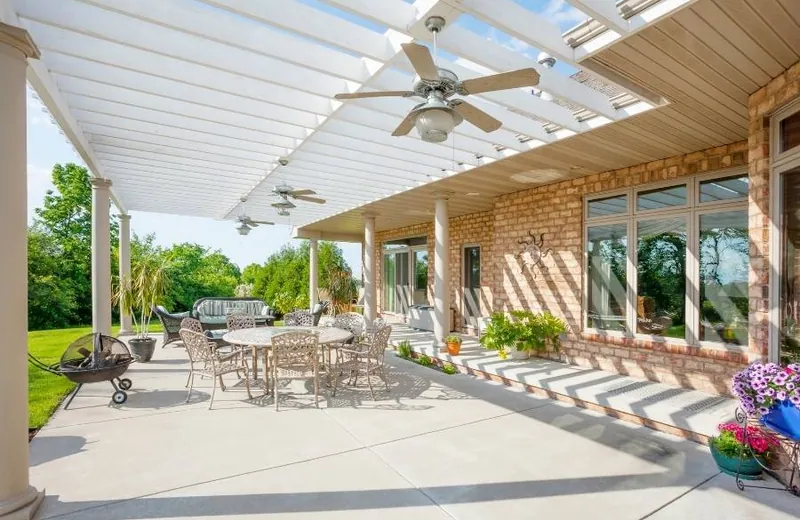
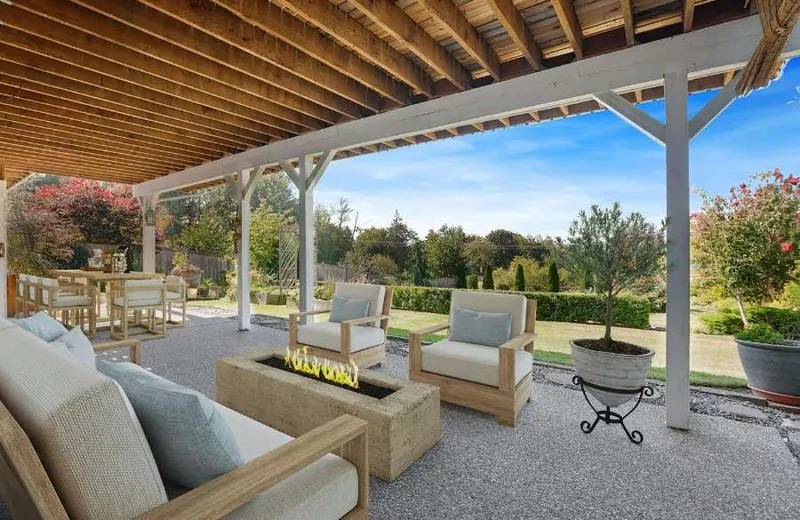
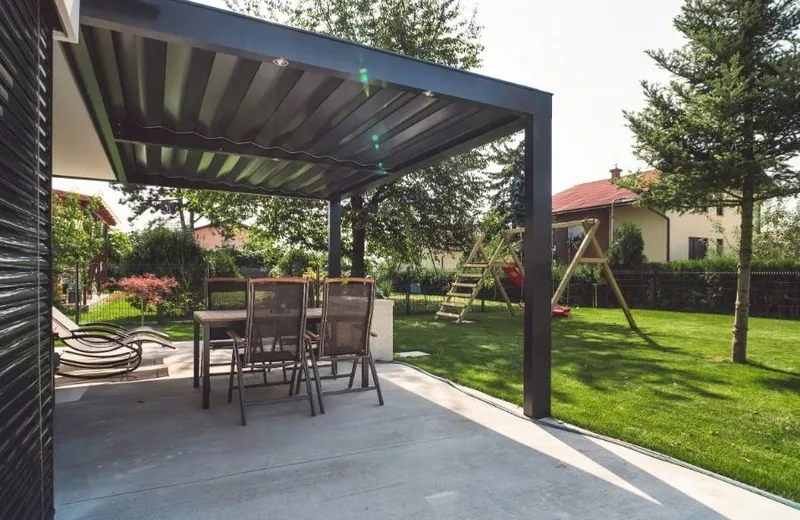
Deck Building FAQs for North Richland Hills Homeowners
How much does it cost to build a deck in North Richland Hills?
Most new decks here cost between about $10,000 and $40,000. Large premium pool decks with covers can run well above that. Pressure-treated pine is the most affordable, often around $30–$50 per square foot installed. Capped composite and PVC usually run $50–$85, and ipe hardwood costs more. Height, stairs, railings, demolition of an old deck or patio, and deeper footings for our clay soil all affect the final number. After a site visit, you'll get an itemized written proposal so there are no surprises, and financing is available if you want it.
How long does a deck project take from start to finish?
Plan for roughly 4–10 weeks from first visit to finished deck. Design and the proposal usually take 1–2 weeks. Permits and any HOA review take 2–6 weeks, depending on the city. Actual construction runs from a few days for a simple ground-level deck to two or three weeks for multi-level decks or projects with covers. In summer, we work early hours to beat the heat, and spring storms can push dates a little. Your schedule is written down from the start, and we'll update you if weather changes it.
Do I need a permit to build a deck in North Richland Hills?
In most cases, yes. North Richland Hills and nearby cities follow the International Residential Code with regional amendments. They generally require permits for decks attached to the house, decks more than about 30 inches above grade, and roofed patio covers or pergolas. Inspectors check footings, ledger attachment, spans, guards, stairs and handrails. Rules vary by city and change over time, so we confirm the current requirements with the local building department for every project. We also handle HOA submittals, check easements, and call Texas 811 before digging.
Should I choose composite or wood for a deck in North Texas?
It depends on your budget, upkeep tolerance and sun exposure. Pressure-treated pine costs the least upfront, but it grays and checks quickly in our UV and needs resealing every one to three years. Capped composite and PVC cost more but resist fading, rot and termites, and need little more than washing. Ipe is very dense and long-lasting, with a premium price. In full-sun yards, we steer people toward lighter, heat-reflective composite colors or recommend adding shade, because dark boards get uncomfortably hot here in July.
Why is my deck sloping or pulling away from the house?
The most common cause around here is expansive clay soil. It swells after heavy rain and shrinks during drought, which lifts or drops shallow footings. Over a few cycles, the deck goes out of level, a gap opens at the house, and stairs start to rack. Rotted joists or a failing ledger can cause similar symptoms and are more dangerous. If you see a growing gap at the house or feel bounce, call for an inspection. We often fix it by adding deeper footings and re-leveling the frame instead of tearing everything out.
When should I repair my deck versus replace it?
Repair makes sense when the framing is mostly sound. That covers replacing some boards, tightening or upgrading railings, re-flashing the ledger, or resurfacing worn decking over good joists. Replacement is usually better when joists, beams or posts are widely rotted or termite-damaged, the ledger is just nailed on without flashing, or the deck is badly out of level. Many 1980s pine decks across the Mid-Cities fall into this group. Act right away if you notice spongy spots, wobbly rails, rust at the ledger or a gap at the house. Those are safety issues.
How do I make my deck last longer in this climate?
Start with the build: deep footings, a flashed and bolted ledger, ground-contact-rated framing, and enough clearance and ventilation underneath. After that, keep debris from piling up under low decks, and keep sprinklers from hitting the wood. Wood decks should be cleaned and resealed every one to three years. Composite needs a spring and fall wash to clear pollen and grime. A pergola or cover cuts UV and heat on the boards. After any big hailstorm, walk the deck and check caps, boards and cover roofing for damage.
Can you help with hail or storm damage to my deck or pergola?
Yes. After spring storms, we inspect decks, rail caps, pergolas and patio covers for hail and wind damage. We document what we find with photos and measurements you can use with your insurance company. Then we repair or replace the damaged materials, matching colors and styles where possible, which matters for HOA approval in Keller, Southlake and Colleyville. We're bonded and insured. Be cautious with out-of-town storm chasers who knock on doors after a hailstorm and skip permits.
Serving North Richland Hills, TX & Nearby
Get a Deck That Holds Up to North Texas Weather
Whether you're replacing a tired 1980s pine deck or adding shaded outdoor living, start with a site visit. We'll look at your yard, show you real materials and give you a clear plan.
- ✓An on-site visit to measure, inspect and talk through your goals
- ✓Hands-on material samples, including heat-reflective composite options
- ✓An itemized written proposal and a clear project schedule
- ✓Footings and framing designed for expansive clay soil
- ✓Permit, inspection and HOA paperwork handled with you
- ✓A bonded and insured crew working on your property
- ✓Financing available on qualifying projects
⚡ Got a deck with a loose ledger, a collapsed rail or fresh hail damage? Stay off the damaged area and call us to schedule an inspection.
Bonded • Insured